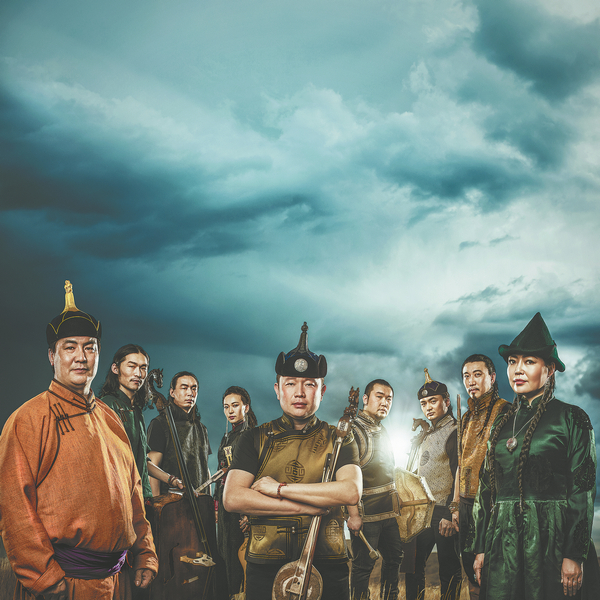
Mongolian Long Tune
Introduction
The Mongolian Long Tune, referred to as "Urtyn Duu" in the native Mongolian language, is a timeless and revered form of folk music that has echoed through the vast grasslands of Inner Mongolia and Mongolia for centuries. This unique vocal tradition is renowned for its extended melodies, slow rhythms, and intricate ornamentation, which together reflect the deep and enduring cultural roots of the Mongolian people. The Long Tune is not merely a musical form; it is a cultural expression that embodies the essence of the Mongolian lifestyle, marked by its profound connection to the natural world and the rhythms of the steppes. Through its evocative soundscape, the Long Tune resonates with the spirit and identity of the Mongolian community, bridging past traditions with contemporary life.
The Mongolian Long Tune was included in the national list of representative projects of intangible cultural heritage in 2006.
History
The origins of the Mongolian Long Tune are deeply entwined with the nomadic lifestyle of the Mongolian people, who have roamed the steppes for centuries. This rich vocal tradition has historically served as a cornerstone of cultural celebrations and social gatherings, enriching festivals, weddings, and community events with its historical narratives and cultural essence. The Long Tune has played a pivotal role in encapsulating and conveying the spirit of the Mongolian people, preserving their heritage and identity through the ages. The history of the Long Tune is one of resilience and continuity, as it has survived and thrived despite the changing tides of time, continually adapting to the evolving cultural landscape while maintaining its core essence.
Characteristics
Vocal Techniques
The Mongolian Long Tune is characterized by its unique vocal techniques, which are integral to its distinct sound. Singers of the Long Tune employ a variety of techniques. The mastery of these techniques requires extensive training and practice, as singers must develop the ability to control their breath and vocal cords with precision. The vocal artistry of the Long Tune is a testament to the skill and dedication of its practitioners, who strive to keep this ancient tradition alive and vibrant.
Melodic Structure
The melodic structure of the Mongolian Long Tune is expansive and free-flowing, characterized by extended, soaring melodies that often feature repeated lyrics in a call-and-response pattern. This structure allows for a wide range of emotional expression, as singers can convey sentiments of love, longing, freedom, and beauty through the nuanced modulation of their voices. The melodies of the Long Tune are deeply evocative, painting vivid soundscapes that transport listeners to the vast, open landscapes of the Mongolian steppes. The fluidity and expressiveness of the melodic lines are hallmarks of the Long Tune, contributing to its enduring appeal and cultural significance.
Cultural Significance
The Mongolian Long Tune holds a special place in the cultural heritage of the Mongolian people, serving as a vital link to their historical identity and way of life. Rooted in the nomadic traditions of the steppes, the Long Tune embodies a profound connection to nature, reflecting the rhythms of the grasslands and the ethos of a people who have lived in harmony with their environment for centuries. The thematic content of Long Tune songs often centers on the beauty of the natural landscape, the importance of livestock, and the nomadic lifestyle, expressing sentiments of love, longing, and freedom. As a cultural symbol, the Long Tune is integral to Mongolian festivals and celebrations, where it enriches events with its historical narratives and cultural resonance. Its inclusion in UNESCO's Intangible Cultural Heritage list underscores its global significance as a bearer of Mongolia's cultural legacy.
Performance Practices
Long Tune performances are a staple of various social settings, ranging from traditional festivals to intimate family gatherings. At events like the Naadam festival, the Long Tune enriches activities such as wrestling, horse racing, and archery, providing a cultural backdrop that enhances the festive atmosphere. In social gatherings, the Long Tune serves as both entertainment and a medium for passing down oral histories and cultural values, fostering a sense of community and continuity. During ceremonial occasions, such as weddings, the Long Tune is used to convey blessings and well-wishes, often sung by esteemed elders or professional vocalists. These performance practices highlight the Long Tune's versatility and enduring relevance in Mongolian society.
Preservation and Promotion
The preservation and promotion of the Mongolian Long Tune are critical to ensuring the continuation of this cherished cultural heritage for future generations. Efforts to preserve the Long Tune include documentation, education, and the establishment of cultural institutions dedicated to its study and performance. These initiatives aim to provide resources and opportunities for individuals to learn about and engage with the Long Tune, fostering a deeper understanding and appreciation of its cultural significance. The inclusion of the Long Tune in UNESCO's Intangible Cultural Heritage list has also helped raise awareness of its importance on a global scale, encouraging international collaboration and support for its preservation. Through these concerted efforts, the Mongolian Long Tune continues to resonate across the steppes, echoing the resilience and creativity of the Mongolian people. Photo Gallery(1 picture)CategoriesArtsTagIntangible Cultural HeritageChinese MusicCatalogue1. Introduction2. History3. Characteristics4. Cultural Significance5. Performance Practices6. Preservation and Promotion- - - []








